


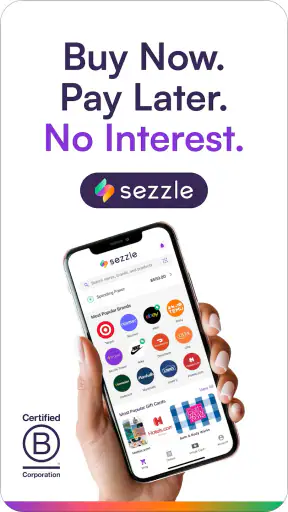
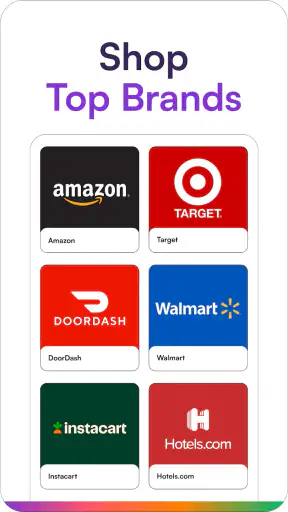

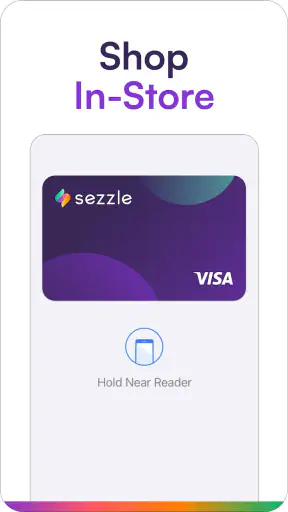
Shopping apps usually focus on finding products, but Sezzle approaches the moment when a purchase reaches the checkout screen. I used it as a way to spread an eligible purchase across several scheduled payments rather than paying the full amount at once. That makes Sezzle: Buy Now, Pay Later most interesting for planned household purchases, especially when one person is buying something that others will use.
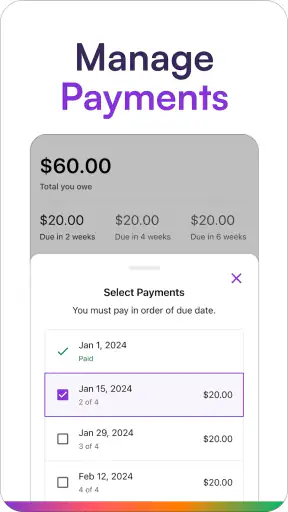
The basic idea is easy to understand: instead of treating a larger checkout total as one immediate expense, the app can divide it into four or five interest-free payments, with the purchase paid over time. It is free to download, and the developer behind it is Sezzle Mobile. In everyday use, I found that the appeal is less about browsing and more about adding a payment option to a shopping routine that already exists.
That distinction matters. This is not a replacement for a household budget, and it does not make an expensive item cheaper. It changes the timing of the payments. Used carefully, that can make a necessary purchase easier to organize. Used casually, it can make several separate commitments feel smaller than their combined total.
How Sezzle fits into a shared household purchase
A realistic example is replacing a shared kitchen appliance, buying school supplies for several children, or ordering household basics when the regular shopping budget is temporarily tight. One person may do the actual checkout, while everyone in the home benefits from the purchase. In that situation, splitting the cost can be convenient, but only if the household agrees on who is responsible for the scheduled payments.
I would not treat the app as a shared wallet. The person using the account should remain the person who understands the purchase, the payment schedule, and the consequences of a missed or changed payment. Passing a phone around so several people can shop from one signed-in account creates unnecessary confusion. A shared device is fine for looking at an order together, but the account itself should have a clear owner.
This is one of the most important practical points: shared use of a device is not the same as shared ownership of an account. If a partner, roommate, or older child wants to help choose an item, I would keep the final review and checkout with the account holder. That simple boundary avoids the “I thought you were paying it” problem that can happen when shopping decisions are made collectively but payment responsibility is not.
The app becomes especially useful when the purchase has a clear purpose and a known place in the household plan. A broken desk chair, a replacement phone accessory, or seasonal clothing can be easier to manage when the cost is divided. I am less comfortable using it for spontaneous treats, because the smaller first payment can hide how many other commitments are already scheduled.
What the setup feels like in practice
Getting started is straightforward in concept: install the shopping app, create or access an account, and use it when the payment option is available for a purchase. The important work is not the tapping. It is checking the total, reading the proposed schedule, and deciding whether the future payments fit alongside rent, utilities, subscriptions, and ordinary shopping.
I recommend setting up a short household rule before anyone else uses the app. For example, the account holder can agree to discuss any shared purchase before checkout, while personal purchases remain the responsibility of the person requesting them. This is not a feature inside Sezzle; it is a useful routine around the app, and it prevents the payment tool from becoming an informal borrowing arrangement between family members.
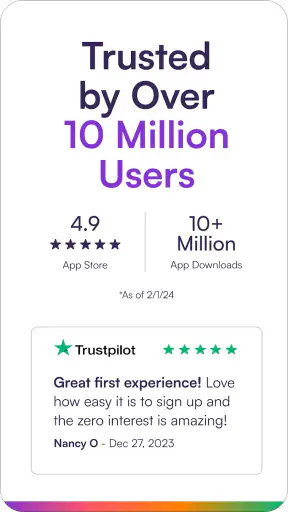
The app’s store presence is substantial, with over five million installs and an average rating of 4.6 from around one hundred fourteen thousand ratings. Those figures suggest that many shoppers find the concept useful, but they should not replace personal judgment. A popular payment app can still be the wrong choice for someone who has difficulty tracking several due dates.
On compatible devices, the application supports Android 7.0 or later. It is rated for Everyone, which describes the content classification rather than giving every member of a household permission to use an account or make purchases. I would still keep payment decisions with an adult who understands the financial commitment, particularly when a child or younger teenager is involved in choosing the item.
Boundaries matter more than convenience
One subtle weakness of split-payment shopping is that the app can make each individual installment look manageable while several orders accumulate in the background. My practical tip is to review all active commitments before starting another checkout. If the app shows your existing payment obligations, use that view as a pause point rather than treating each new purchase in isolation.
A second useful habit is to write down the full purchase total before approving it. The first payment is not the real cost; it is only the first part of the cost. This is particularly important on a shared device, where another person may see a low initial amount and assume the household can comfortably afford the item.
I would also avoid making a purchase on behalf of someone else unless repayment has already been discussed clearly. Even within a family, informal promises can become awkward when the scheduled payments continue after the original excitement has passed. Sezzle can organize the installments, but it cannot organize trust, communication, or responsibility between people.
Coordinating purchases without losing track
For a household, coordination is where the app either becomes helpful or becomes clutter. Before ordering, I would identify three things: what the item is for, who benefits from it, and who will monitor the payment schedule. That takes less than a minute and makes the transaction much easier to explain later.
Suppose two adults share a device and need a replacement item for the home. One person can compare the product and the other can confirm the budget, but only one person should press the final payment button unless both understand exactly what is being accepted. Afterward, keeping the order confirmation available to both adults is sensible, while avoiding the habit of sharing login details casually.
A useful workflow is to group purchases by purpose rather than by impulse. A planned household order may be easier to monitor than several unrelated orders made on different days. The trade-off is that combining items can increase the total commitment, so I would compare the complete amount with the cost of buying only the urgent item. Splitting payments should not become a reason to add extras.
The app’s reward element may also encourage continued use, but I would treat rewards as secondary. A reward does not turn an unnecessary purchase into a good purchase. I would choose the payment arrangement first and consider any benefit only after confirming that the item, merchant, schedule, and total are all suitable.
Where Sezzle differs from ordinary payment choices
Compared with paying by debit card, Sezzle may feel gentler on the day of purchase because the full amount is not taken immediately. Debit payment is simpler, though: there is no installment schedule to remember, and the transaction is finished at once. If I already have enough money set aside, paying in full is usually the cleaner option.
Compared with a credit card, the split-payment format can be easier to understand for a specific purchase because the repayment is tied to that checkout rather than blended into a revolving balance. A credit card may still be more flexible for someone who wants one consolidated statement or established purchase protections. The better choice depends on the person’s ability to manage the account, not on which option makes the first payment look smaller.
Compared with a traditional layaway arrangement, the attraction is receiving the purchase while paying over time rather than waiting until the entire amount has been collected. That convenience also creates more responsibility, because the household must continue planning for the scheduled payments after the item has arrived and the shopping moment is over.
Compared with simply saving first, Sezzle is faster but less forgiving of a changing budget. Saving delays the purchase, yet it removes the risk of future payment dates competing with essential expenses. For a nonessential item, I would usually prefer saving. For a necessary replacement, splitting the cost may be reasonable if the future payments are already accounted for.
Age, trust, and account responsibility
The Everyone content rating can make the app look suitable for a broad audience, but I would not interpret that as a recommendation for unsupervised purchasing by children. A shopping interface can be easy to navigate while the financial commitment remains an adult responsibility. Younger household members may help choose colors, sizes, or products, but an adult should control the account and understand the payment arrangement.
With teenagers, the conversation should be more specific. Explain that an installment is still a real payment, that several purchases can overlap, and that changing your mind after checkout may not erase the payment obligation immediately. Letting a teenager participate in comparison shopping can be educational; giving them unrestricted access to a payment account is a separate decision that should be made carefully.
Trust also matters between adults. I would not share credentials simply because everyone uses the same tablet or phone. Instead, the account holder can show the order details when needed and keep responsibility clearly assigned. This approach is less convenient than leaving an account open, but it is much safer for household coordination.
Privacy is another reason to keep boundaries clear. Shopping history and payment information are personal financial details, even when the purchase is for the whole home. A shared screen should be locked or closed when the account holder is finished. That is ordinary device hygiene, but it becomes more important when several people use the same hardware.
Small habits that make the payment plan safer
My first recommendation is to check the full schedule immediately after checkout, not days later. Put the future dates somewhere you already review, such as a personal budget or calendar. The app can help present the arrangement, but I would not rely on memory, especially if the household is managing multiple subscriptions and bills.
Second, leave room for ordinary surprises. A payment plan that works only when every week goes perfectly is fragile. Before approving a purchase, ask whether the household could still cover the installments after an unexpected repair, medical expense, or higher grocery bill. If the answer is no, waiting is probably wiser.
Third, separate shared necessities from personal wants. If a household item is genuinely shared, agree on its priority and responsibility. If one person simply wants a personal upgrade, that person should not assume the household budget will absorb it because the initial installment appears small.
Finally, compare the same product and total through the normal payment route before choosing Sezzle. The app’s value is payment timing, not automatic proof that the product is the best deal. I found this comparison useful because it keeps the shopping decision separate from the financing decision.
Limitations I would consider before installing it
The main friction is mental rather than technical: split payments require ongoing attention. Someone who prefers to make one payment and move on may find the extra tracking annoying. The arrangement can also encourage overconfidence if the shopper focuses on affordability today instead of affordability across the entire schedule.
Availability can depend on the purchase and the checkout experience, so I would not assume that every item or merchant will present the same option. That means Sezzle is best treated as one payment choice within shopping, not as a universal method that replaces cards, bank payments, or saving.
I would also skip it if the household is already behind on bills, frequently overdrawing an account, or using one installment to cover another. In those situations, the app may postpone pressure rather than solve it. A budgeting tool, a conversation with the household, or simply delaying the purchase would be more appropriate.
The current version is 5.3.5, and the application has been available since March 21, 2019. Those details are useful when checking compatibility and identifying the app, but they do not change the central question: can you comfortably manage the complete payment plan after the purchase has arrived?
My household verdict
After looking at Sezzle through the lens of shared-device use, I see it as a practical option for a clearly planned purchase, not a household spending system. It works best when one accountable adult owns the account, everyone affected by the purchase understands the arrangement, and the full cost is already included in the budget.
I would recommend it to a careful shopper who wants to divide an eligible purchase into four or five interest-free payments and is willing to monitor the schedule. The free price makes trying the app less difficult, and the shopping focus keeps the experience more direct than a general-purpose financial app. The rewards can be a pleasant extra, but they should never drive the decision.
I would recommend staying with debit, saving first, or another familiar payment method when simplicity matters more than timing. I would also avoid using it for impulse purchases, unclear family loans, or spending that depends on a future paycheck arriving exactly as expected.
My final view is positive but conditional: Sezzle can make a shared household purchase easier to coordinate, provided the account boundaries are firm and the total commitment stays visible. The safest way to use it is to treat every installment as a real bill, not as a discount. With that mindset, it is a useful shopping companion; without it, the convenience can quickly become another obligation to track.


